













Why Should You Care?
AI therapists are reshaping who receives help and how quickly. The message for therapists is clear: ADAPT OR DIE. These AI-driven systems could supplant traditional practitioners by delivering faster, more effective, and scalable care that patients trust.
Introduction
106 individuals across the US with depression, anxiety, or eating disorders texted an AI therapist called Therabot at various times—late nights, early mornings, lunch breaks. The results were striking: depression symptoms reduced by 51%, anxiety by 31%, and even showed significant results in treating eating disorders. These improvements occurred within four weeks using text-based interventions with no medication, waitlists, or time constraints.
This represented the first randomized controlled trial to prove that an AI chatbot trained on evidence-based therapy can match or exceed human therapist outcomes.
A Chatbot That Feels Like a Therapist
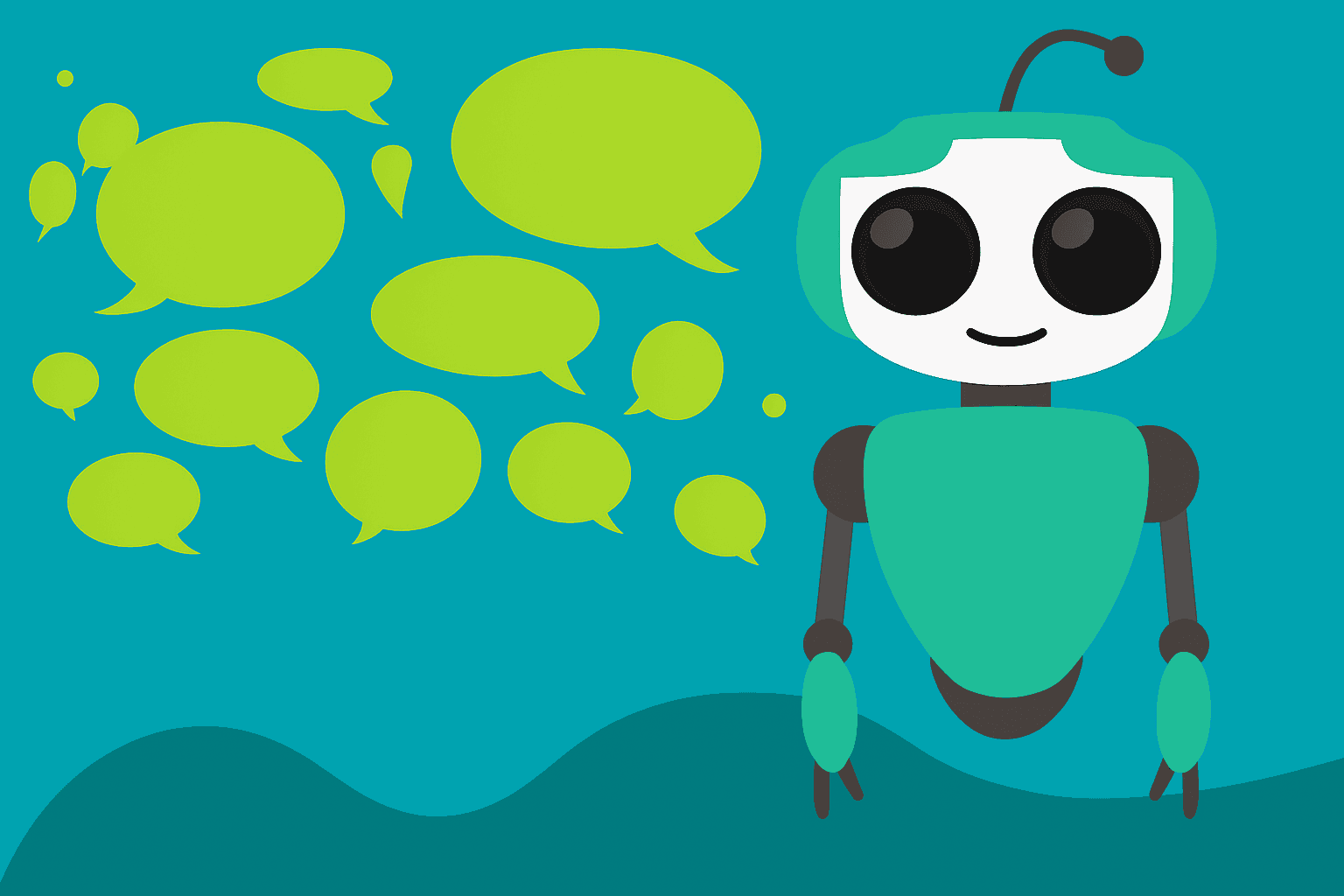
Dartmouth researchers created Therabot, a smartphone application trained on thousands of hours of evidence-based cognitive behavioral therapy discussions. Over eight weeks, 106 diagnosed participants used the app freely without appointments or time limitations.
By week four, participants reported dramatic symptom changes: 51% depression reduction, 31% anxiety reduction, and 19% reduction in body image concerns—all outperforming the waitlist control group.
The most striking finding involved emotional connection. Participants initiated conversations independently, with one sending over 1,500 messages in eight weeks. Another consistently logged on at 2 a.m. during peak panic attacks. The chatbot didn't feel mechanical but rather asked, "Why do you think you feel that way?" It validated. It remembered. It adapted.
Clinical alliance measurements showed Therabot scored equally high as human therapists on standardized relationship assessments.
The Myth of the 50-Minute Hour
Traditional therapy operates on a weekly appointment model—fifty minutes, once weekly. Yet human suffering doesn't follow this schedule. Anxiety strikes at midnight; depression emerges after difficult meetings; body image spirals ignore Thursday 3 p.m. appointments.
Therabot operated continuously. This real-time, just-in-time availability may explain its rapid effectiveness. The research suggests the chatbot's strength isn't superiority in therapeutic skill but rather constant accessibility when people need support most.
But Is It Safe?
Researchers implemented multiple safeguards: crisis detection systems, emergency protocols, and fine-tuned scripts reviewed by thousands of therapist hours. Every interaction was monitored for safety during the trial, representing an exploration of what happens when humans and machines work together rather than wholesale human replacement.
Should This Make Therapists Nervous?
Most digital mental health tools have underperformed. Therabot differs fundamentally—trained on clinical disorders with psychiatric oversight and scientific rigor, it now has peer-reviewed proof that it can deliver real therapeutic results at scale.
The profession should pay attention. Not because therapists are obsolete, but because they're unprepared. If a machine delivers equivalent eight-session outcomes through text while helping people feel better faster and at any hour, what defines a therapist who sees patients once weekly?
Therapists embracing this shift—integrating AI between sessions for additional support and personalized interventions—will extend reach and enhance care effectiveness. Those resisting may find themselves replaced by something that never sleeps.
And Now the Kicker: We're Already Behind
The Therabot trial concluded June 2024, before ChatGPT 4.5, emotion recognition, empathic response modules, multimodal models, MCPs, or real-time tone and facial expression analysis existed.
That basic text chatbot delivered substantial therapeutic value. Today's models possess far greater capabilities. The belief that "AI will never replace human therapists" assumes people prefer human contact over accessibility, nuance over immediacy. Yet when spiraling at 1 a.m. with something feeling understanding just a tap away, you don't need perfection. You need relief.
So Where Do We Go From Here?
Wholesale therapist replacement isn't advocated here. Humans remain essential for complex trauma, crises, and long-term growth. However, therapy is no longer just a human business. It's a hybrid one.
Professionals thriving next decade won't defend old ways but rather integrate, adapt, and view AI as care extension. Because whether welcomed or not, the chatbot will see you now. For millions awaiting help, this represents welcome news.
References
Heinz, M. V., Mackin, D. M., Trudeau, B. M., Bhattacharya, S., Wang, Y., Banta, H. A., ... & Jacobson, N. C. (2025). Randomized Trial of a Generative AI Chatbot for Mental Health Treatment. NEJM AI, 2(4), AIoa2400802.