AI Psychology and the Science of Designing AI for People
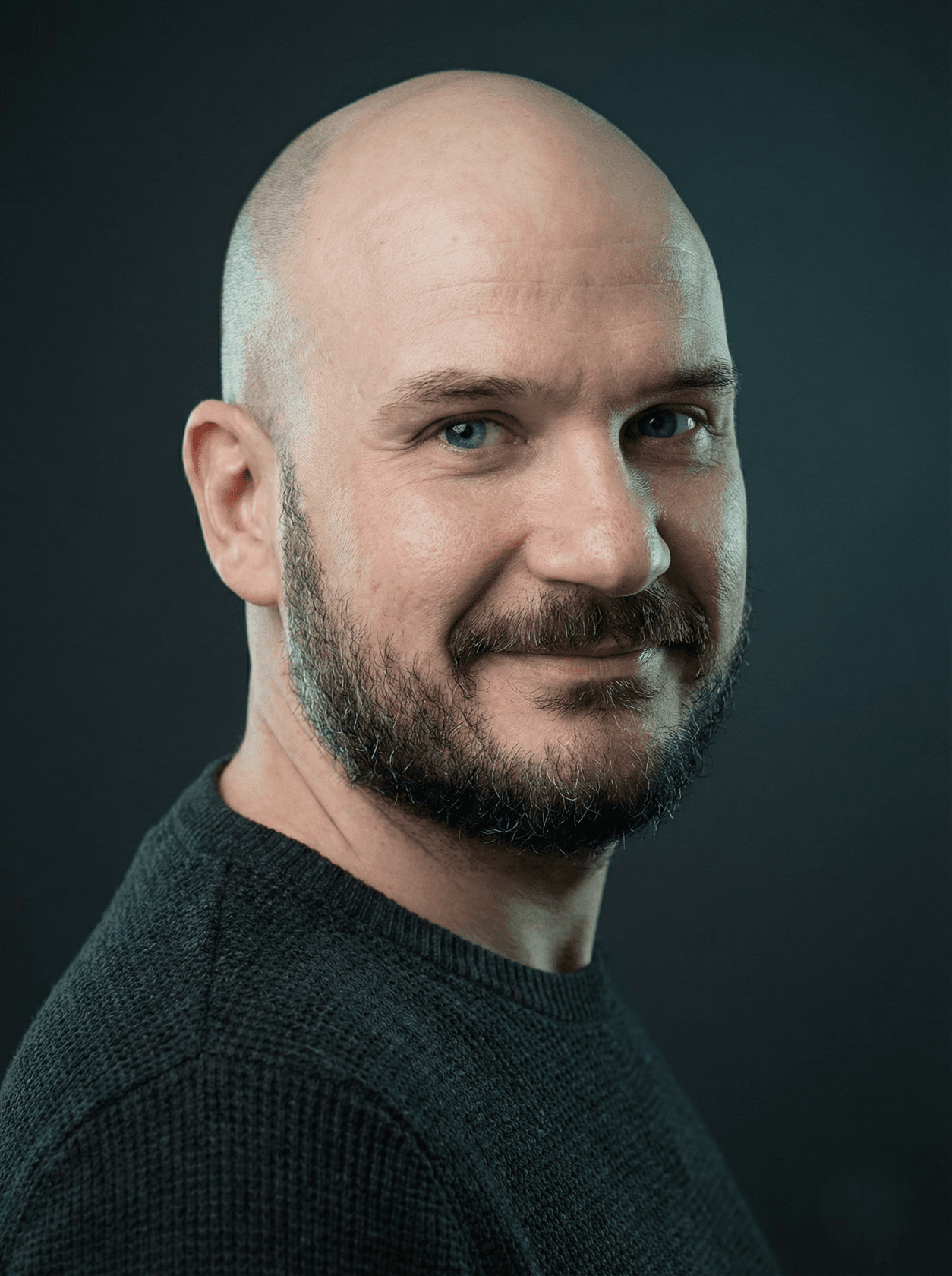
Prof. Llewellyn E. van Zyl (Ph.D) builds AI systems with psychological precision. A leading voice in AI Systems Psychology, he shapes the strategy, development, and governance of AI that decides about people.
As featured on

















Background and Mission
Two decades of research, practice, and consulting at the intersection of positive psychology, psychometrics, and artificial intelligence. Today the work has a name: AI psychology, the discipline that keeps AI systems valid, fair, and defensible when they make decisions about people. When the AI is an assessment, the buyer-facing version lives at AI-driven assessments. When it is a longitudinal model of a person, the work is at digital twins for wellbeing.
“I realized we had spent decades turning systemic dysfunction into individual pathology.... Subtly blaming people for failing systems.”

Prof. Llewellyn E. van Zyl (Ph.D)
Chief Solutions Architect, Psynalytics
My Journey
From burnout researcher to AI assurance architect: a path shaped by science, lived experience, and an unwillingness to accept systems that harm the people they claim to help.
The Scholar Who Believed His Own Science
I spent nearly two decades as a professor of psychology and data scientist, studying what wellbeing actually is. How to measure it. How to develop it. How to design interventions that don't collapse the moment they meet reality. I published over a hundred papers, won international awards, trained therapists and coached leaders. I genuinely believed I understood how human flourishing worked.
Along the way, I built and sold a consulting firm that worked with Fortune 500 companies across the globe, translating behavioural science into practical systems for organisational wellbeing. I sat at the intersection of science and practice, and I was convinced that if we just got the measurement right, if we just designed smarter interventions, we could help people flourish at scale.
I was wrong.
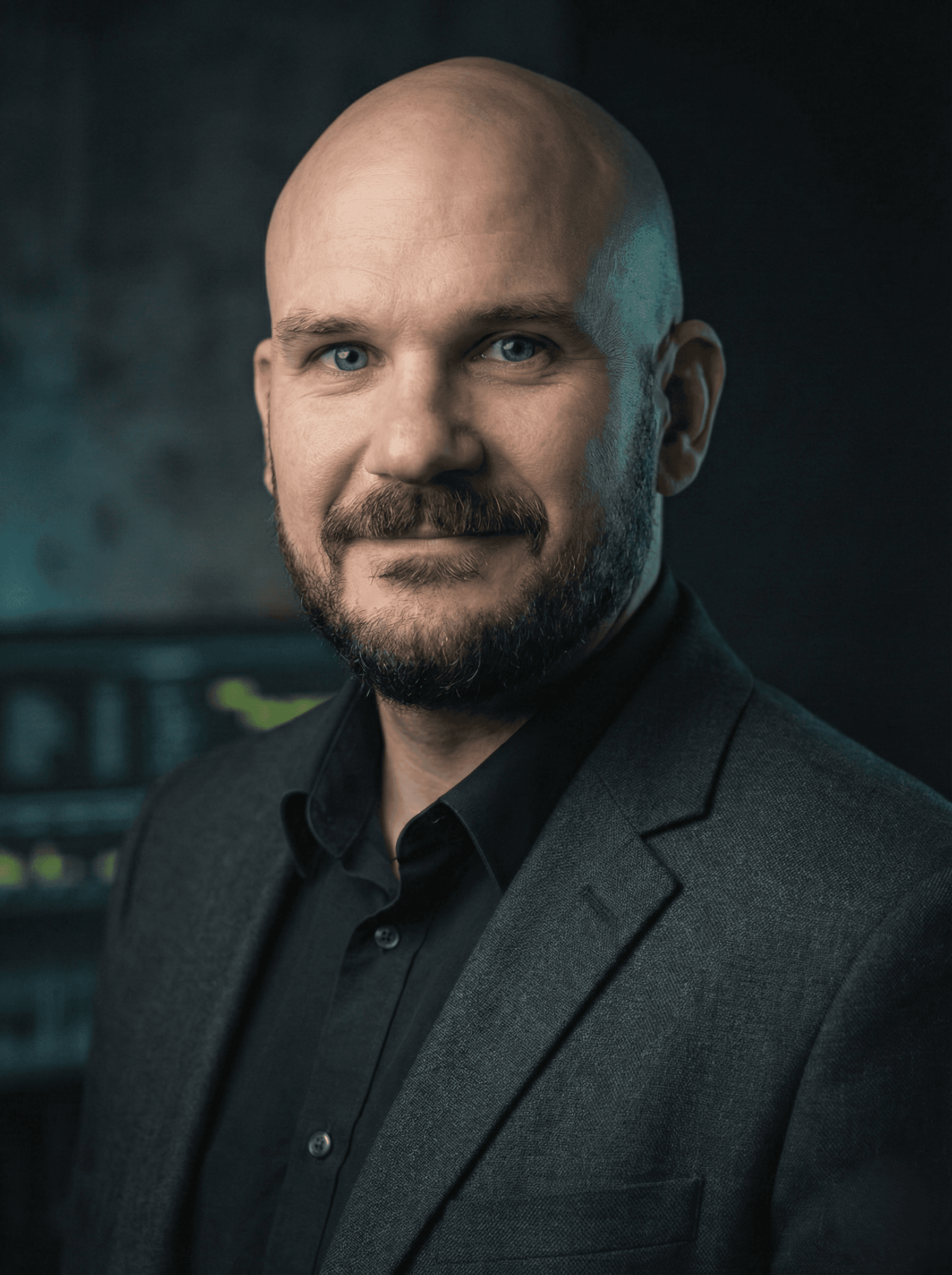
“An artificial intelligence system cannot claim to provide psychological benefit without accepting psychological responsibility.”
Prof. Llewellyn E. van Zyl (Ph.D)
Chief Solutions Architect, Psynalytics
The Night Everything Collapsed
Severe burnout, a near-death experience, and years inside a toxic work environment all collided into a personal and professional existential crisis that dismantled everything I thought I knew. On the night I ended up in hospital, I received an email telling me a paper had been accepted without revisions in the Journal of Positive Psychology. The irony was not lost on me. Here I was, one of the people writing about the science of flourishing was unable to keep himself alive. I realised something drastically had to change.
In the months that followed, I turned to every wellbeing framework, every tool, and every technique I had spent my career building and studying. And none of it worked. None of it could help me get out of this existential crisis I was in. One day, my therapist told me that the best way to deal with this was to connect more deeply with nature. Ok, I guess that made sense because all scientific evidence pointed to the fact that exposure to nature is one of the strongest predictors of meaning and meaning one of the strongest predictors of wellbeing. But going outside made me miserable. Why? Because I hate being dirty and being in nature makes me dirty! So in that absurd, humbling moment, I understood something that changed the trajectory of my entire career: we built a science of wellbeing for people who don't exist. Our models are built on population averages, but the average person is a statistical ghost. What works “in general” can be precisely wrong for the individual sitting in front of you.
That realisation broke me… but it also rebuilt me.
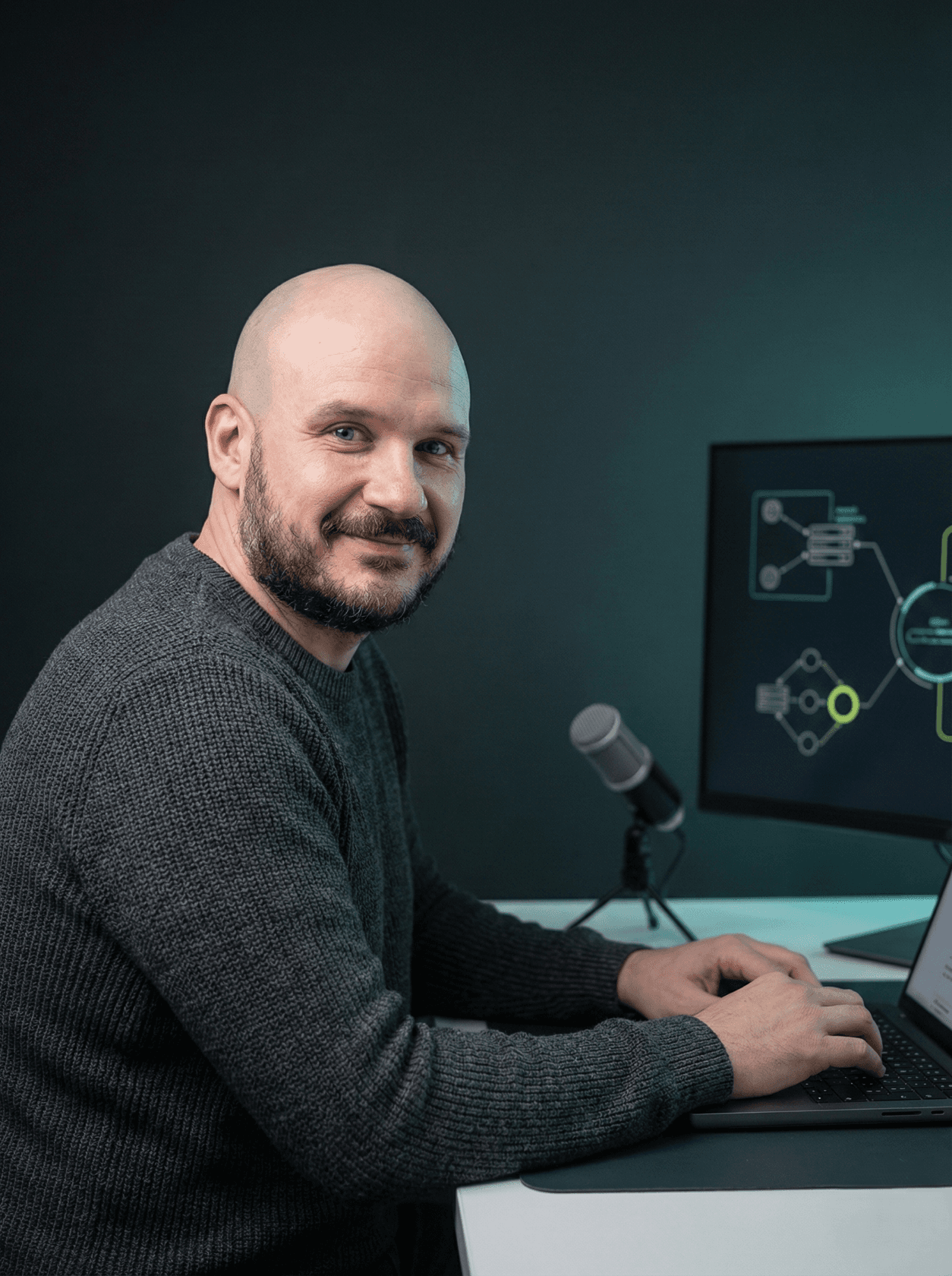
“We must protect people's ability to author their own lives.”
Prof. Llewellyn E. van Zyl (Ph.D)
Chief Solutions Architect, Psynalytics
Rebuilding Wellbeing From the Individual Up
I came out of that crisis with a conviction that the science of wellbeing has to start with the person, not with the population average. We have to meet the individual where they are. Understand what flourishing means from their perspective and build hyper-personalised pathways around that to help them move forward.
That meant rethinking everything from the ground up. I realised that if we truly want to understand someone's wellbeing, we cannot rely on standardised questionnaires or wellbeing models built in labs by people that don't understand my unique lived experience. We have to combine objective indicators with self-report measures, and then do something most researchers never do: listen to their stories. Within those stories lie the person's own drivers of wellbeing, their own definitions of what it means to flourish. Only by uncovering those can we build interventions that actually fit the life in front of us.
This is where artificial intelligence entered my work. Not as a shortcut, but as the only technology capable of modelling wellbeing at the level of the individual at scale. I began building assessment systems and digital twins that could integrate multiple streams of data to create a living, evolving picture of a person's wellbeing. The more data we gathered, the more precisely we could understand what each person actually needed. For the first time, I could see a path toward truly person-centred support. I was excited. We were finally building something that could work.
“Psychology is not a compliance checkbox engineers have tick off. It is the fundamental safety architecture that allows digital health and wellbeing interventions to scale in a responsible manner.”
Prof. Llewellyn E. van Zyl (Ph.D)
Chief Solutions Architect, Psynalytics
The Alarm, and the Mission
But what I found when I looked more broadly across the AI space alarmed me. Systems designed to support mental health and measure wellbeing are being built by engineers with no grounding in psychological science. They approximate flourishing through engagement metrics. They make claims they cannot validate. They create dependency and call it support.
Meanwhile, psychologists are confusing fluency with competence, mistaking the ease of using a tool for the expertise required to wield it responsibly. Both sides are causing harm, and neither sees it.
AI systems built without psychological grounding are not just ineffective. They are causing harm at scale. That is the problem I now work on.
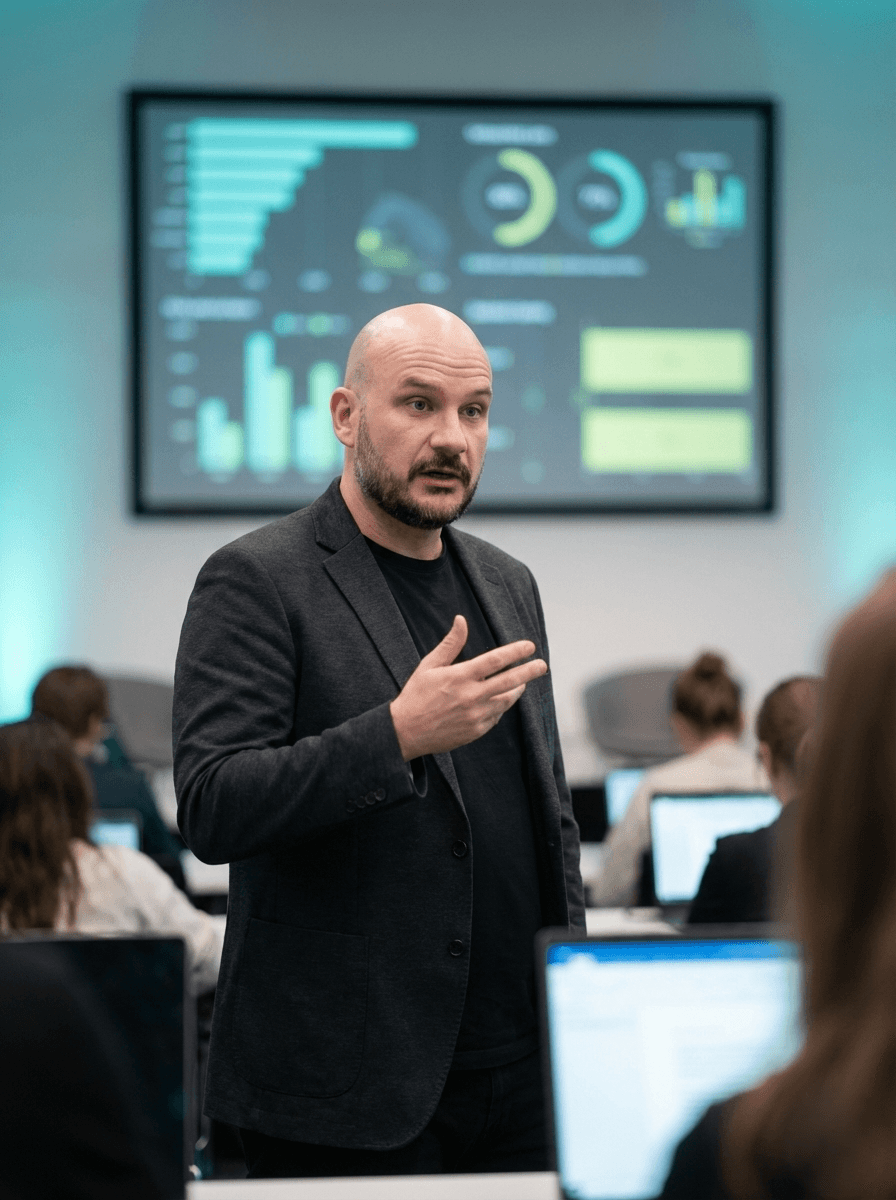
I work with AI system designers, engineers, developers, and organisations to build AI systems that are psychologically safe, scientifically grounded, and designed to strengthen human agency rather than erode it. The question I ask of every system is simple: does this help people take control of their own lives, or does it take control from them? I am here to make sure we get this right, because we will not get a second chance to earn people's trust.
Where I Am Now
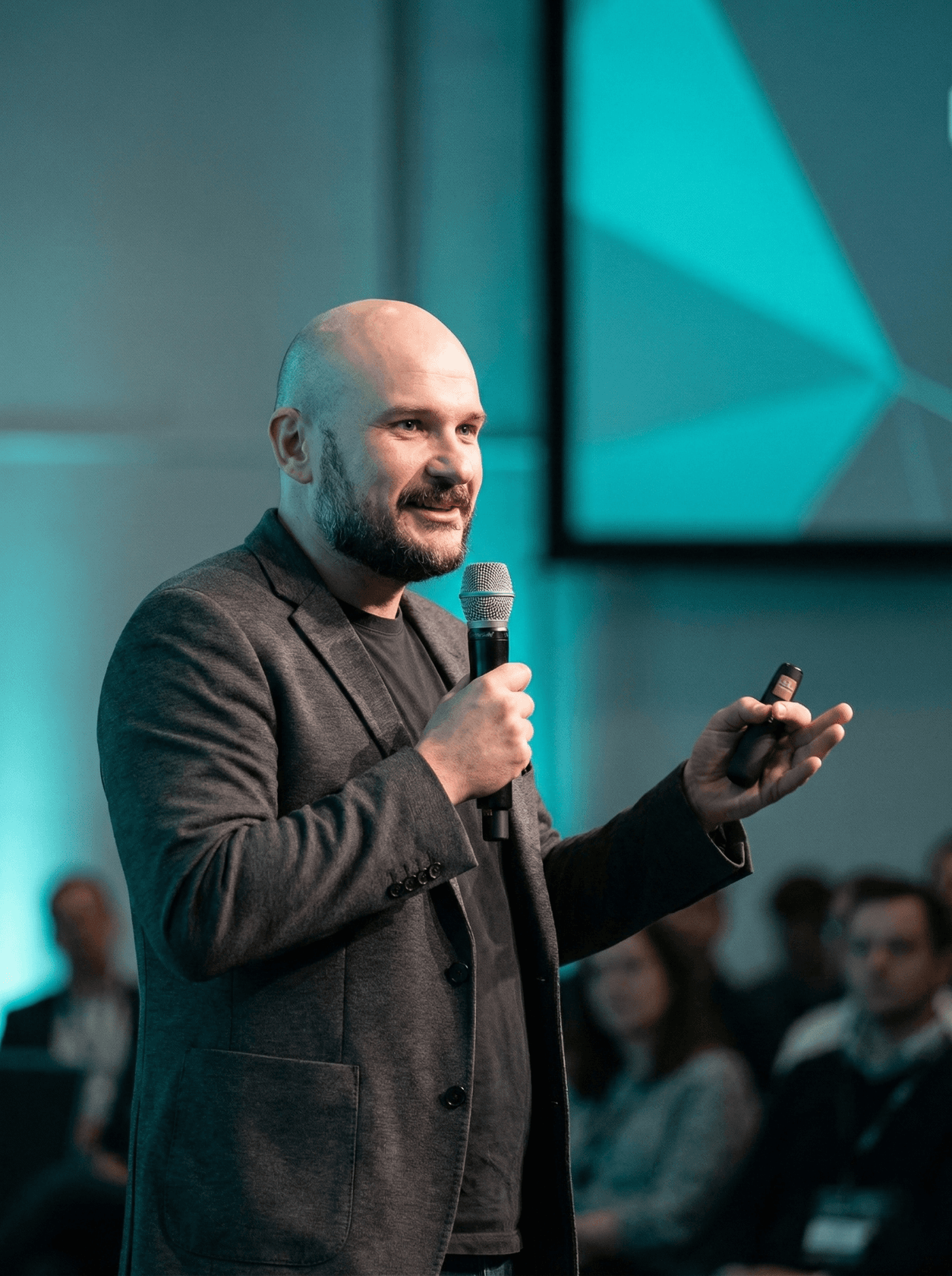
I am currently the Chief Solutions Architect at Psynalytics, where we are developing digital twins and agentic AI systems aimed at assessing and developing human potential.
I am also a Professor of Positive Psychology at the Optentia Research Unit (North-West University) where I am building the scientific foundations for the next wave of wellbeing science: the precision approach to wellbeing.
What I Believe
The principles that guide every system I build, every paper I write, and every intervention I design.
Select a value to explore how these beliefs connect.
What Colleagues Say
Perspectives from researchers, practitioners, and leaders I have had the privilege of collaborating with.
“Prof. Van Zyl is a brilliant organizational psychologist who strives to maintain the highest levels of scientific rigor and to incorporate the latest methodological developments in solving complex problems. His highly effective interventions are guided by evidence from literature, but his goals are always more than just superficial outcomes. He strives to bring about sustainable change in those that he serves.”

Prof. Leoni v/d Vaart (Ph.D)
Norwegian University of Science and Technology
“An AI system that measures your mind without consent is surveillance. An AI system that changes your mind without safety guards is malpractice”
Prof. Llewellyn E. van Zyl (Ph.D)
Chief Solutions Architect, Psynalytics
Career Timeline
From first degree to three continents — a journey through academia, research, and industry.
Nano Degree in Scientific AI and Machine Learning
Amazon, Udacity
Certification for demonstrated mastery of advanced AI techniques and applied research-to-production translation.
Chief Solutions Architect
Co-Speciality Editor-in-Chief
Assistant Professor of Work Psychology and Statistics
Senior Management Consultant
Professor of Positive Psychology
Assistant Professor of Positive Psychology
Associate Professor of Organisational Psychology
Executive President
Co-Editor, South African Journal of Industrial Psychology
Doctor of Philosophy (Ph.D) in Industrial Psychology
Senior Lecturer & Associate Professor
Master of Commerce (M.Com) in Industrial Psychology (Summa Cum Laude)
Managing Director & Principal Psychologist
Honours Bachelor of Commerce (B.Com Hons) in Industrial Psychology (Summa Cum Laude)
Intern Psychologist / Psychometrist
Bachelor of Commerce (B.Com) in Behavioural Science and Statistics (Summa Cum Laude)
Awards & Honours
Recognition for contributions to research, academia, and professional practice.
Most Cited Paper Award
Wiley Publishers
Best Paper Award: Frontiers in Psychology
Frontiers in Psychology
Academic Talent Award
University of Eindhoven
Best Coaching and Development Initiative
Chartered Institute of Personnel Development
Top 5 Extraordinary Researchers in Humanities
North-West University
Young Alumni Award for Excellence
North-West University
Category C2 Rated Researcher
National Research Foundation
Lifetime Honorary Membership
Society for Industrial and Organizational Psychology
Academic Citizenship Award
University of South Africa
SIOPSA Presidential Award
Society for Industrial and Organizational Psychology
Top Academic Performer in a Master's Degree
North-West University
Honorary Colours for Academic Achievement: Masters
North-West University
Honorary Colours for Academic Achievement: B.Com Hons
North-West University
Top Academic Performer Across All Faculties
North-West University
The Science Behind Safe AI
Weekly insights on Artificial Intelligence, Wellbeing science, and the psychology of trustworthy systems. Join 1,000+ forward thinking professionals.